

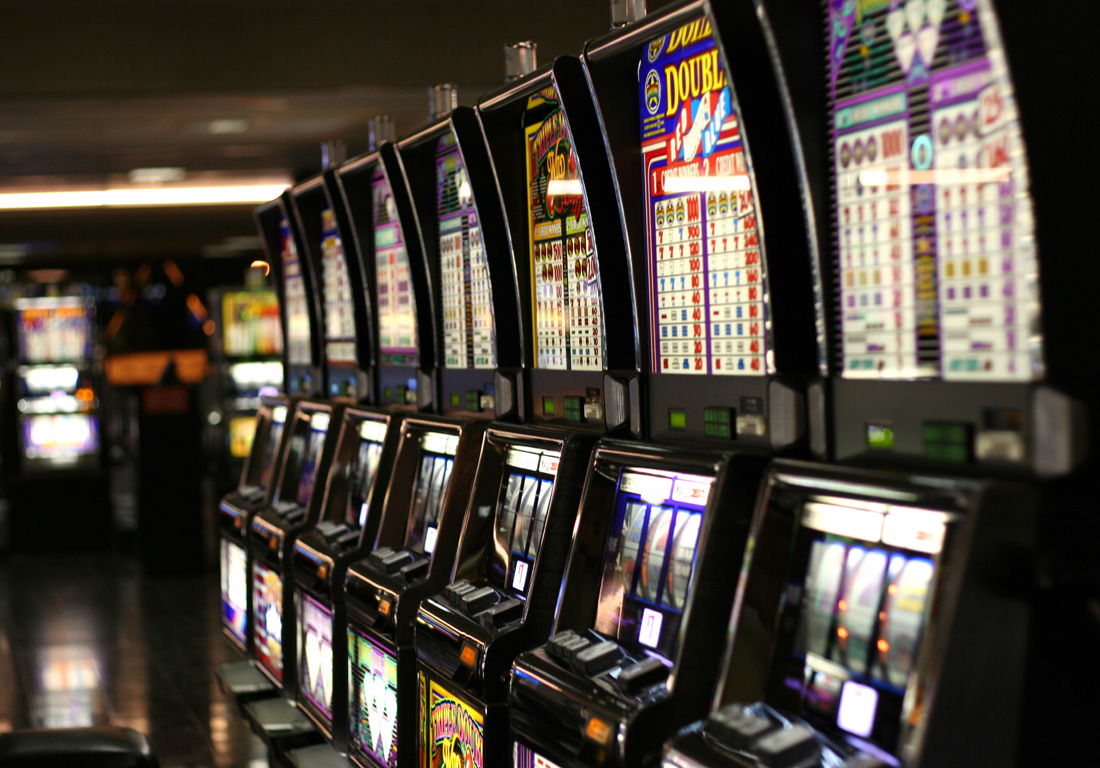
Slots might appear simple—insert coin, spin reels, hope for matching symbols—but beneath that façade lies a complex universe of mathematics, behavioral science, and system design. To write wisely about slot games, we must explore how they work, where edges lie (if any), how players behave under uncertainty, and what risks accompany prolonged play. This article takes you past the surface and into the mechanics, strategy myths, and human factors that shape slot play.
We will naturally use the anchor text slot several times, especially early on, to ground this discussion in the core topic.
How Slot Machines Work: Mechanics and Mathematics
Random Number Generators and Spin Independence
At the heart of every modern slot is a Random Number Generator (RNG). The RNG is a continually running algorithm that generates sequences of numbers, independent of any prior result. When you press “spin,” the machine samples from that RNG to determine which symbols land on each reel. Because of that design:
- Each spin is statistically independent—past outcomes do not influence future ones.
- There is no “due payout” or “hot machine” behavior grounded in math.
This means that patterns like “the last five spins lost, so the next must pay” are cognitive illusions, not statistical truths.
Return to Player (RTP) and House Edge
A slot’s RTP is the percentage of wagered money that, over the long run, the machine is designed to return to players. For example, a slot with 95% RTP means that over millions of spins, it will return $95 for every $100 wagered, retaining $5 for the house (i.e., a 5% house edge). RTP in slots can vary widely, commonly between 85% and 98%, depending on jurisdiction, theme, and volatility.
The house edge is the inverse of RTP: it’s what the casino expects to keep over time.
Volatility, Variance, and Payout Distribution
While RTP sets the long-term average, volatility (or variance) describes how payouts are distributed:
- Low volatility slots pay smaller wins more frequently.
- High volatility slots deliver rare but large jackpots, with long droughts.
Volatility influences your risk of drawdowns and your ability to sustain play under losing stretches. High volatility gives the potential for big wins—but also greater risk of long losing runs.
Paytables and Weighted Reels
Every slot has a paytable that shows the payouts for symbol combinations and bonus features. But beyond that, modern machines often use weighted reels—some symbols appear more frequently (low paying) and others less often (jackpots). These weights, when combined with the paytable, define the actual probabilities of outcomes.
A slot might show three “Cherry” symbols, but behind the scenes those symbols may appear with different internal frequencies. Thus, the visible reel design is only half the story.
Common Myths and Misconceptions
Myth: You Can Predict When a Slot Will Hit
Because spins are independent and governed by RNG, there is no predictive strategy that ensures a big payout. Attempts to spot “hot” or “due” machines are unsupported by mathematics. A UNLV study found that players cannot reliably detect differences in machine payout percentages by observing short-term behavior.
Myth: More Playtime Increases Chance of Big Win
Long hours of play do not guarantee more wins. Over time, you may approach the statistical average, but you are equally likely to fall below expectation. The slot is designed so that the more you play, the more you dilute variance—but you also increase exposure to house edge.
Myth: You Should Keep Betting Until It Pays
There is no built-in “must pay eventually” mechanism. Because outcomes are random, continuing to bet past your loss limit does not improve your odds—it only increases cumulative loss.
Myth: Max Bet Always Wins More
For some slots, max bet unlocks special features or jackpots. But if the internal game structure does not reward max bet extremes, it might not improve your EV. Always read the paytable and rules; max bets sometimes just give you better access to features, not higher probabilities.
What Strategy, If Any, Exists for Slots?
While slot games are not a strategic game like poker or blackjack, a few decisions and mindset principles can shape your experience.
Choosing Higher RTP Slots
Because RTP varies, selecting games with higher RTP gives you a lower house edge. Even small improvements (e.g. from 92% to 96%) can matter when compounded over thousands of spins.
Aligning Volatility with Your Bankroll
If you have a modest bankroll, choosing lower or medium volatility slots helps you sustain play and reduce the risk of savage variance. High volatility is only appropriate if you are prepared for long losing stretches and have enough capital.
Paytable & Bonus Feature Analysis
- Prioritize slots where bonus features, free spins, or multipliers offer genuine value relative to base play.
- Check whether features require specific bets or triggers; sometimes they are only accessible with higher stakes.
- Compare effective payout per bet unit across the base game and bonus modes.
Loss Limits, Win Targets, and Session Discipline
Because slots lack skill, your risk control is entirely external:
- Define loss limits: how much you are willing to lose in a session.
- Set win targets: when you hit a certain profit, consider cashing out and ending the session.
- Use time limits: sessions that drag increase emotional stress and chase risk.
The Psychology Behind Slot Play
Variable Rewards and Dopamine
The design of slot machines heavily employs variable ratio reinforcement, a concept from behavioral psychology. In such schedules, rewards come after an unpredictable number of responses, which produces very strong behavioral persistence. In slot play:
- Small wins, near-misses, and intermittent big wins all trigger dopamine responses.
- The near-miss effect—when two matching symbols align and the third just misses—can feel psychologically like a partial success, stimulating desire to keep playing.
This structure encourages continued play, even in the face of losses.
Habit Formation and Informational Conditioning
Laboratory studies show that repeated slot play can lead to habit behavior: players spin faster over time, become rigid in bet size, and reduce decision variability. In other words, play becomes automatic, driven by prior reinforcement rather than deliberate strategy.
Also, messaging like “Return to Player: 95%” or flashing promotional stats may misleadingly inflate perceptions of winning probabilities among players. A study found such messaging increases perceived winning chances—even though the RTP is a long-term metric, not a guarantee of short-term success.
Flow States and “Dark Flow”
Some players report entering a state of flow, losing awareness of time or surroundings while spinning slots. Researchers call a similar, more problematic state dark flow, where gambling becomes an escape from distress or emotional pain. This state correlates with higher risks of problem gambling behaviors.
Risk, Regulations, and Responsible Play
High House Edge and Long-Term Losses
Slot machines often carry some of the highest house edges in a casino. Odds for jackpots may range from 1 in thousands to millions. Frequently, the more extreme the payout, the lower the probability and the higher the house’s margin.
Even small edges erode capital over time, making long stints of play dangerous for many.
Regulation, Transparency, and Consumer Protection
Many jurisdictions require slot machines to be tested and certified. Players may see published RTPs, but those are averages over millions of spins—not a guarantee for any session.
Because slot design can manipulate psychological triggers, regulators sometimes require limits on maximum bet, notifications about losses, or warnings about risk. The goal is to reduce harm in vulnerable populations.
Recognizing and Avoiding Problem Gambling
Because slots are designed for compulsive play, players must vigilantly guard against loss escalation. Warning signs include:
- Chasing losses
- Feeling compelled to keep spinning
- Ignoring limits or time thresholds
- Spending more than you can afford to lose
Responsible play demands self-imposed boundaries, periodic reflection, and detachment from expectation.
Real-Life Examples and Research Insights
Study: Message Framing Misleads Players
A 2025 study from the University of Nottingham found that RTP messaging on slot machines tends to mislead players into overestimating their winning chances. Players believe the machine is more “friendly” when they see such messages—even though the odds remain unchanged.
UNLV Findings: Players Can’t Detect Payout Differences
Researchers at UNLV discovered that even seasoned slot players cannot reliably distinguish between machines with higher or lower payout frequencies just by observing behavior. That suggests many decisions based on perceived “hot” or “loose” machines are baseless.
Habit Study Simulation
In a controlled experiment, novice participants played a simulated multi-line slot over sessions. Over time, they sped up their play and stuck longer to bet sizes—two markers of habit formation. Their behavioral rigidity increased even though no strategic benefit emerged.
FAQ
Q: Can you ever “beat” slot machines?
No. Because of the independence of spins and the built-in house edge, there is no strategy that ensures long-term profit. Any gains are due to variance, not skill.
Q: Are there slots with RTP above 98%?
Yes, in some online or regulated markets you may find slots with RTPs around 97–99%. But high RTP is rare, and volatility must also be considered.
Q: What is the near-miss effect and how does it impact player behavior?
A near-miss is when a spin looks almost like a jackpot (e.g. two matching symbols and one off). It triggers parts of the brain linked to reward anticipation and can drive the player to continue playing, misleadingly equating “close calls” with actual success.
Q: Does playing slowly improve your odds?
No. Speed doesn’t affect probability. But slowing down can reduce impulsive mistakes and help you adhere to loss/win limits.
Q: Should you change machines if you see others winning nearby?
No. Wins on nearby machines don’t change probability for yours. Each machine is independent, with its own RNG behavior. That said, choosing a machine with better RTP (if known) is rational—but relying on adjacent wins as signals is superstition.
Q: How long should a “session” last?
That depends on your bankroll and risk appetite. Many serious slot players limit sessions to 30–60 minutes or a fixed loss cap to avoid drifting into emotional play.
